
Digital commerce is entering its next phase. According to McKinsey, the metaverse could generate up to $5 trillion in value by 2030, with retail and e-commerce among the largest contributors.
For retail leaders across Southeast Asia, the question is no longer whether immersive technologies will influence consumer behaviour — but how to translate metaverse retail experiences into measurable commercial outcomes.
The early wave of virtual showrooms generated headlines. The next wave must generate margin.
What Are Metaverse Retail Experiences?
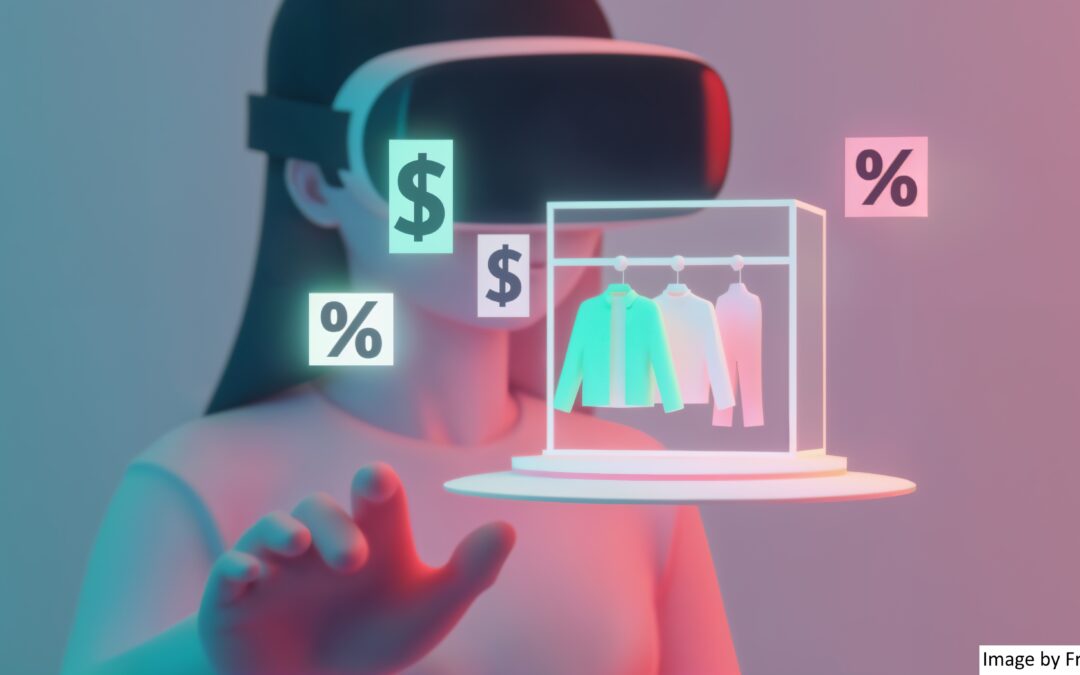
Metaverse retail experiences refer to immersive, interactive digital environments where customers can discover, evaluate and purchase products in real time.
Unlike static e-commerce sites, these virtual retail environments enable:
- 3D product interaction
- Real-time engagement
- Social shopping experiences
- Integration with physical inventory
However, it is critical to separate gimmicks from growth.
A virtual showroom that does not connect to live inventory, CRM data or order management systems is little more than a marketing campaign. True metaverse commerce connects immersive front-end experiences with operational infrastructure.
In other words, the experience must be commercial, not cosmetic.
From Immersion to Monetisation
Immersive retail becomes strategically valuable when it moves beyond engagement into revenue generation.
Retailers are monetising immersive environments through:
1. Direct Product Sales
Customers purchase physical products directly inside virtual shopping experiences, with transactions synced to core retail systems.
2. Phygital Commerce
Blending physical and digital channels allows customers to:
- Test products virtually
- Reserve in-store inventory
- Complete purchases across devices
→ Learn more about whether brick and mortar or e-commerce is winning the retail game here.
3. Digital-Only Goods
Digital fashion, limited releases, and exclusive online assets create new high-margin revenue streams.
4. Data Capture at Scale
Immersive environments capture:
- Behavioural engagement data
- Dwell time analytics
- Preference mapping
When integrated with CRM and AI in retail systems, this data enhances segmentation, personalisation and predictive merchandising.
Without backend integration, however, this data remains siloed — and its commercial potential unrealised.
Why Southeast Asia Is Primed for Metaverse Commerce
Southeast Asia is uniquely positioned to accelerate immersive retail adoption.
According to Google, Temasek and Bain’s e-Conomy SEA report, Southeast Asia’s digital economy is projected to reach over $300 billion by 2025.
The region also has one of the world’s youngest and most digitally engaged populations. Median age in Southeast Asia is 31.2 years with a large portion of the population digitally native.
Key structural advantages include:
- Mobile-first consumers with high digital payment adoption
- Strong cross-border commerce flows
- Rapid urbanisation and digital infrastructure investment
- Social commerce maturity
Thailand, Indonesia and Singapore — core markets for Integrated Retail — each demonstrate high levels of digital engagement combined with growing organised retail sectors.
For retailers pursuing an omnichannel retail strategy, immersive commerce represents a natural extension of digital transformation retail initiatives already underway.
The opportunity is not experimental. It is evolutionary.
The Infrastructure Behind the Experience
Immersive retail fails when it operates independently of enterprise systems.
The experience layer may be virtual — but the infrastructure must be real-time, connected and resilient.
Unified Commerce as the Foundation
A true unified commerce strategy consolidates:
- POS systems
- E-commerce platforms
- Inventory management
- CRM
- Order management
- Financial systems
All channels operate on a single data model.
Without unified commerce, immersive retail creates operational friction:
- Stock inconsistencies
- Delayed fulfilment
- Fragmented customer records
- Revenue reconciliation issues
Cloud-Based Retail POS Integration
Modern immersive retail requires retail POS integration that enables:
- Real-time inventory visibility
- Cross-border tax compliance
- Currency management
- Centralised reporting
Upgrading to modern retail POS systems ensures that transactions occurring inside virtual retail environments reconcile instantly with physical stores and distribution centres.
CRM & Customer Identity Synchronisation
Metaverse commerce must recognise customers across channels.
When immersive platforms connect with CRM:
- Loyalty points update instantly
- Purchase histories remain unified
- Personalised promotions follow the customer
This level of orchestration requires a robust unified commerce strategy supported by integrated architecture — not disconnected point solutions.
The Role of AI in Immersive Retail
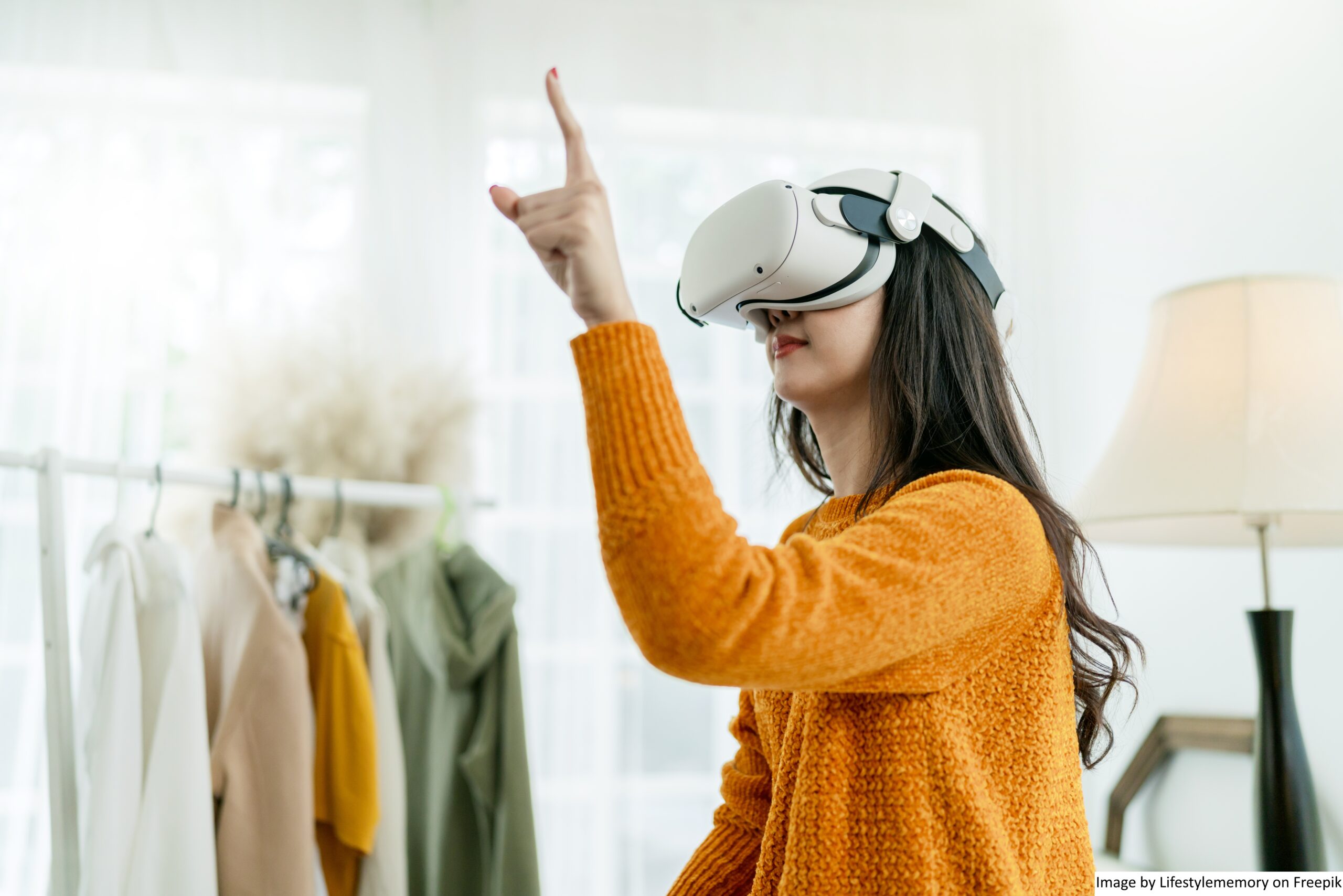
AI in retail elevates immersive commerce from novelty to intelligence.
In virtual retail environments, AI enables:
Intelligent Product Recommendations
Algorithms analyse behavioural patterns and suggest relevant products dynamically.
Virtual Shopping Assistants
AI-powered assistants provide real-time support, mimicking in-store expertise.
Predictive Inventory Optimisation
Demand forecasting integrates immersive browsing data to refine stock allocation.
Behavioural Analytics
Retailers gain insights into:
- Virtual footfall
- Engagement depth
- Conversion triggers
When combined with AI-powered retail analytics, immersive retail becomes measurable and optimisable — not speculative.
The competitive advantage lies in turning immersive interactions into predictive intelligence.
Beyond Hype: The Business Case
For board-level stakeholders, the conversation must shift from innovation to ROI.
Metaverse retail experiences support:
Revenue Growth
- Expanded reach beyond physical locations
- 24/7 immersive shopping access
- Cross-border digital sales
Margin Improvement
- Digital goods with lower production costs
- Reduced return rates through virtual try-before-you-buy experiences
- Data-driven pricing optimisation
Customer Lifetime Value (CLV) Enhancement
- Deeper engagement
- Higher repeat purchase rates
- Personalised retention strategies
Operational Efficiency
- Centralised inventory management
- Streamlined fulfilment
- Integrated reporting
Cross-Border Scalability
Retailers expanding into Southeast Asia require infrastructure that manages multi-country tax, language and currency environments.
Immersive retail layered onto fragmented legacy systems increases complexity. Layered onto integrated architecture, it accelerates scale.
This is where strategic technology decisions matter.
Retailers that treat immersive commerce as a marketing initiative will struggle. Those who treat it as a unified commerce extension will unlock sustainable value.
→ Learn more about how retailers can succeed across ASEAN markets here.
The Strategic Imperative for Retail Leaders
Metaverse retail experiences are not replacing physical retail. They are expanding the commercial ecosystem.
For leaders in Thailand, Indonesia and Singapore, the question is not whether to experiment — but whether the foundational systems can support immersive growth.
Immersive retail requires:
- Modern cloud-based POS
- Unified inventory management
- Real-time CRM integration
- AI-enabled analytics
- Scalable regional infrastructure
Without these, immersive retail introduces operational risk.
With them, it becomes a revenue engine.
Retailers reviewing their immersive strategy often discover that the real transformation opportunity lies beneath the surface — in upgrading legacy infrastructure to enable unified commerce at scale.
For organisations evaluating how to connect physical stores, e-commerce, and virtual retail environments into a single operational backbone, a strategic conversation about infrastructure is often the first step.
Integrated Retail partners with enterprise retailers across Southeast Asia to design and implement the connected systems that make immersive commerce commercially viable — ensuring that innovation translates into measurable performance.
FAQs
What are metaverse retail experiences?
Metaverse retail experiences are immersive digital environments where customers can explore and purchase products in interactive, real-time virtual spaces connected to core retail systems.
Is metaverse retail profitable?
Yes — when integrated with unified commerce infrastructure. Profitability comes from digital goods, improved conversion rates, enhanced data capture and cross-border scalability.
How does POS integration support immersive commerce?
Retail POS integration ensures transactions, inventory updates and customer data synchronise instantly between virtual and physical channels.
What is the difference between virtual retail and omnichannel retail?
Virtual retail refers to immersive digital environments. Omnichannel retail strategy connects all customer touchpoints. Metaverse commerce becomes powerful when embedded within a unified omnichannel framework.
Is Southeast Asia ready for immersive commerce?
Yes. High digital adoption, mobile-first behaviour and rapid e-commerce growth position Southeast Asia as a strong market for immersive retail expansion.
What technology foundation is required?
A cloud-based POS, unified commerce architecture, CRM integration, AI analytics and scalable regional infrastructure form the essential foundation.