

Payment card data has become one of the most valuable—and most targeted—assets in modern retail. According to IBM’s Cost of a Data Breach Report, the global average cost of a data breach is now 4.4 million USD, with retail consistently among the most affected industries. Beyond direct financial loss, breaches trigger regulatory scrutiny, operational downtime, and long-term damage to customer trust.
For retail leaders, payment card fraud and data breaches are no longer abstract IT risks. They are business risks that directly affect revenue, profitability, brand reputation, and the ability to scale across markets. As retailers expand omnichannel operations and cross-border footprints across Southeast Asia, protecting payment card data has become a strategic priority. This is where PCI DSS compliance moves from a technical checklist to a board-level growth imperative.
What Is PCI DSS?
The Payment Card Industry Data Security Standard (PCI DSS) is a global security standard designed to protect payment card data. It applies to any organisation that stores, processes, or transmits cardholder data—regardless of size, geography, or retail format.
In simple terms, PCI DSS sets the minimum requirements for how payment card data should be handled, secured, and monitored. This includes areas such as:
- Protecting cardholder data through encryption
- Restricting access to sensitive systems
- Monitoring and testing networks regularly
- Maintaining secure systems and processes
PCI DSS compliance is not optional. Card schemes, acquiring banks, insurers, and regulators all expect retailers to meet these requirements. Non-compliance can lead to penalties, higher transaction fees, loss of payment acceptance, and increased liability in the event of a breach.
For retail executives, PCI DSS is best understood not as a technology standard, but as a baseline for retail payment security and operational discipline.
Why PCI DSS Compliance Is a Board-Level Issue
PCI DSS compliance increasingly sits squarely within boardroom discussions—and for good reason.
Financial Exposure
This is the most immediate risk. Non-compliance can result in fines, forensic investigation costs, legal fees, chargebacks, and increased cyber insurance premiums. In serious cases, retailers may even lose the ability to accept card payments temporarily.
Brand Trust
Brand trust is harder to quantify but even more damaging. Customers expect their payment data to be protected. A single high-profile breach can erode confidence built over decades, directly impacting footfall, conversion rates, and customer lifetime value.
Growth and Expansion
Retailers entering new markets or partnering with global payment providers are often required to demonstrate PCI DSS compliance upfront. Without it, expansion plans can stall.
Operational Disruption
Breaches and failed audits divert leadership attention, disrupt store operations, and strain internal teams.
Finally, investors, insurers, and regulators increasingly view payment security as a proxy for overall risk management maturity. Strong PCI DSS compliance signals governance, resilience, and long-term sustainability.
Common PCI DSS Challenges in Retail
Despite its importance, achieving and maintaining PCI DSS compliance remains challenging for many retailers.
Legacy POS systems
Older point-of-sale environments were not designed for today’s threat landscape or compliance expectations. They often store sensitive data locally or lack modern encryption capabilities.
Fragmented Payment Environments
Multiple POS platforms, payment gateways, and store formats create inconsistent security controls and compliance gaps.
Regional Inconsistency
This is particularly relevant in Southeast Asia. Retailers operating across Singapore, Thailand, and Indonesia may face varying operational practices, vendors, and compliance maturity levels—even though PCI DSS itself is a global standard.
Manual Processes and Human Error
Spreadsheet-based tracking, ad hoc audits, and manual access controls make compliance difficult to sustain further increasing the risk for retailers
Omnichannel Complexity
Combining in-store, e-commerce, mobile, and third-party marketplaces—expands the attack surface and increases the scope of PCI DSS requirements.
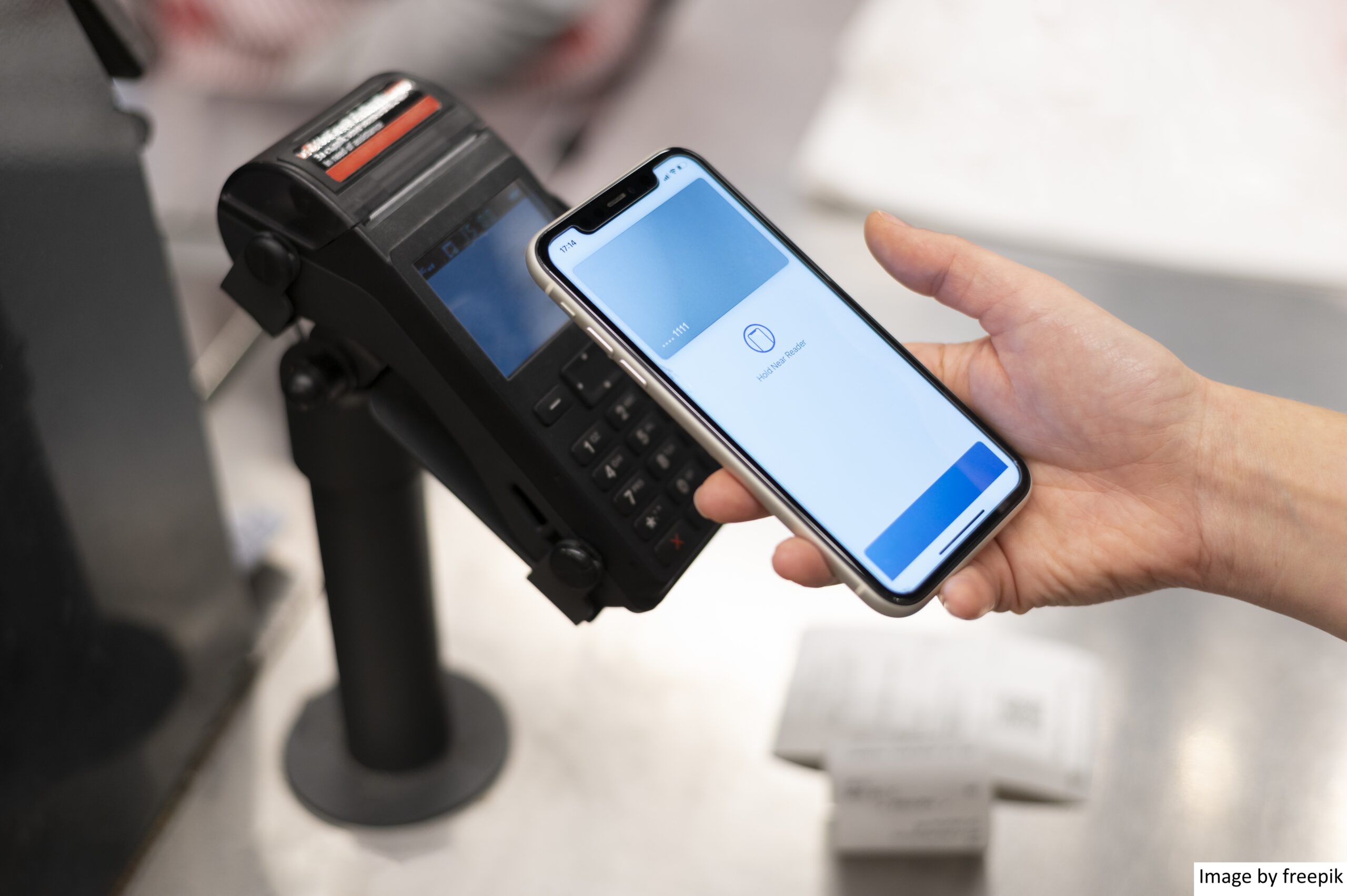
The Role of Modern POS Systems in PCI DSS Compliance
Modern, PCI-compliant POS systems play a critical role in simplifying and strengthening compliance.
Reduced PCI Scope
Through technologies such as point-to-point encryption and tokenisation. By ensuring sensitive card data never touches core retail systems, the compliance burden is significantly reduced.
Centralised and Standardised Security Controls.
Instead of managing compliance store by store or system by system, retailers gain a unified approach across their estate for modern systems.
Omnichannel and Cross-border Consistency
A single, compliant architecture ensures the same payment security standards apply whether a transaction occurs in-store in Bangkok, online in Singapore, or via mobile in Jakarta.
Simplified Audits and Reporting
Built-in logging, monitoring, and documentation make it easier to demonstrate compliance to banks and assessors, especially in modern POS systems.
Improved Operational Efficiency
Faster checkouts, better uptime, and smoother payment experiences—prove that security and performance are not trade-offs.
PCI DSS as a Business Enabler (Not Just a Cost)
Too often, PCI DSS compliance is viewed purely as a cost of doing business. In reality, it can be a powerful enabler.
Scalable foundation
From a growth perspective, compliance provides a scalable foundation. Retailers with secure, standardised payment infrastructure can add stores, channels, and markets with confidence.
Trust signal
From a customer perspective, strong payment security is a trust signal. In an era where consumers are increasingly aware of data privacy, secure payment experiences reinforce brand credibility.
Engenders Innovation
New payment methods—digital wallets, buy now pay later, cross-border cards—often require robust security controls. A compliant POS environment makes adoption faster and less risky.
Operational Discipline and Resilience
Clear processes, defined controls, and continuous monitoring reduce not just cyber risk, but operational inefficiencies more broadly.
In this sense, PCI DSS compliance supports revenue growth, profitability, and long-term resilience—far beyond its original intent.
Moving from Compliance to Confidence
For retailers navigating increasingly complex payment environments, achieving PCI DSS compliance does not have to be disruptive or reactive. With the right architecture and guidance, payment security can be modernised in parallel with broader POS and omnichannel transformation. Integrated Retail works with large, multi-market retailers across Southeast Asia to design and implement PCI DSS–compliant POS systems that protect payment card data while supporting scalability, operational efficiency, and future growth—helping leadership teams move forward with confidence rather than caution.
Frequently Asked Questions (FAQ)
What happens if a retailer is not PCI DSS compliant?
Non-compliance can result in fines, higher transaction fees, increased liability after breaches, and potential suspension of card payment acceptance.
Does PCI DSS apply to all retail formats?
Yes. PCI DSS applies to physical stores, e-commerce, mobile commerce, and any environment that handles cardholder data.
How often is PCI DSS compliance required?
Compliance is ongoing, with annual validation and continuous adherence to security controls.
Is PCI DSS different across countries?
No. PCI DSS is a global standard, though local regulators and banks may enforce it differently.
Can a POS system simplify PCI DSS compliance?
Yes. A modern, PCI-compliant POS system can significantly reduce scope, complexity, and ongoing compliance effort.
How long does it take to become compliant?
Timelines vary based on system complexity, but modern POS upgrades can accelerate compliance significantly.