
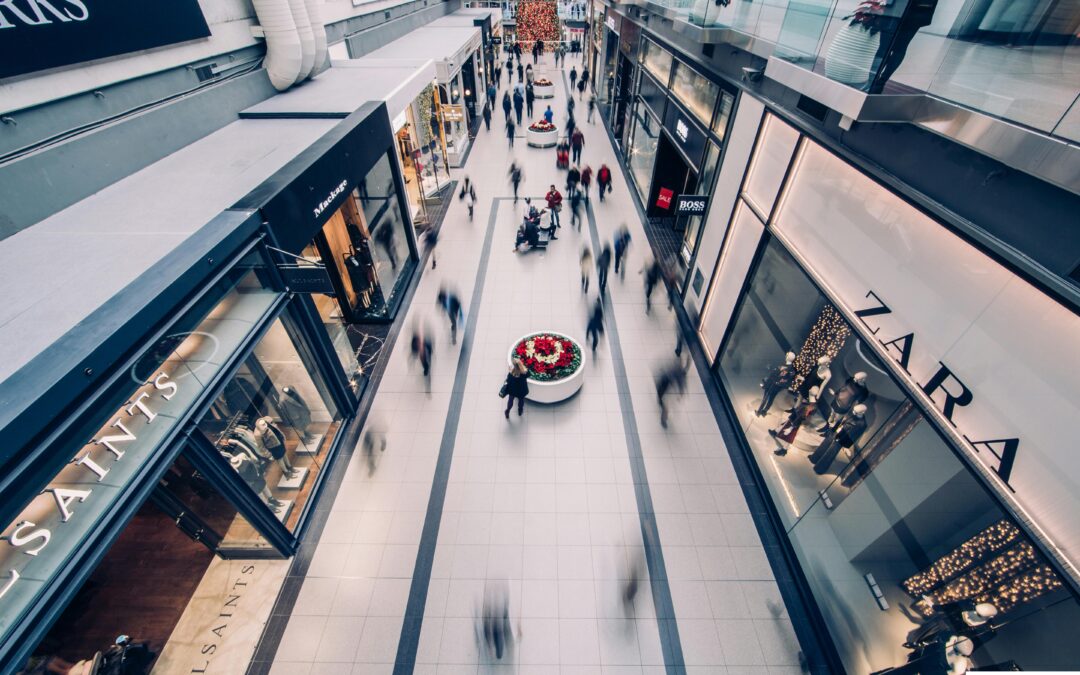
Retailers have long focused on increasing store traffic, but the real growth opportunity often lies elsewhere: increasing the value of each customer visit.
According to the National Retail Federation, retail sales in the United States grew more than 5% year-over-year during parts of 2025, reflecting continued consumer spending momentum despite economic uncertainty.
Yet growth in retail is increasingly difficult to achieve through footfall alone. Store visits are not rising as quickly as operating costs, and retailers across markets — including Southeast Asia — face mounting pressure from e-commerce, rising acquisition costs, and margin compression.
This is why many leading retailers are shifting their focus toward a powerful but often underutilised lever: average basket size.
When retailers increase the number of items purchased in each transaction — or the total value of those purchases — the impact compounds across every store in the network. Even a small improvement in average basket size can translate into millions in additional revenue for multi-store retail chains.
The key to unlocking this growth is smarter store experiences — environments where technology, data, and operational intelligence work together to help customers discover more products and make better purchasing decisions.
Why Average Basket Size Matters More Than Ever
In today’s retail landscape, increasing basket size is often more cost-effective than acquiring new customers.
Retailers are facing several structural pressures:
- Rising digital advertising costs
- Increasing customer acquisition expenses
- Greater competition from online marketplaces
- Higher operational costs for physical stores
As a result, retailers are looking for ways to generate more revenue from existing store traffic.
For large retail chains, the mathematics are compelling.
Consider a retailer operating 100 stores with an average transaction value of $40. Increasing basket size by just 10% raises the average transaction to $44. Across thousands of daily transactions, that seemingly small change can generate significant incremental revenue without increasing store traffic.
This is why leading retail organisations now treat basket size as a strategic KPI, closely tied to:
- Store productivity
- Customer lifetime value
- Category performance
- Merchandising effectiveness
But increasing basket size is not simply about promotions or discounting. Instead, it requires a more intelligent store environment.
What Defines a “Smarter Store Experience”
A smarter store experience goes far beyond attractive store design or product displays.
Instead, it combines technology, data, and operational intelligence to create a more responsive retail environment.
Key characteristics of smarter stores include:
Data-Driven Merchandising
Retailers use analytics to understand which products are commonly purchased together and optimise store layouts accordingly.
Real-Time Inventory Visibility
Store associates and customers can instantly see whether products are available — not just in one store but across the entire retail network.
Assisted Selling
Sales associates are empowered with product knowledge, customer insights, and inventory information to guide purchasing decisions.
Personalised Recommendations
Technology can suggest complementary products during the shopping journey.
→ Learn more about generative AI for personalized product recommendations here.
Integrated Store Systems
POS systems, inventory management platforms, and analytics tools work together to support decision-making.
When these capabilities are combined, stores evolve from transaction points into intelligent revenue environments.
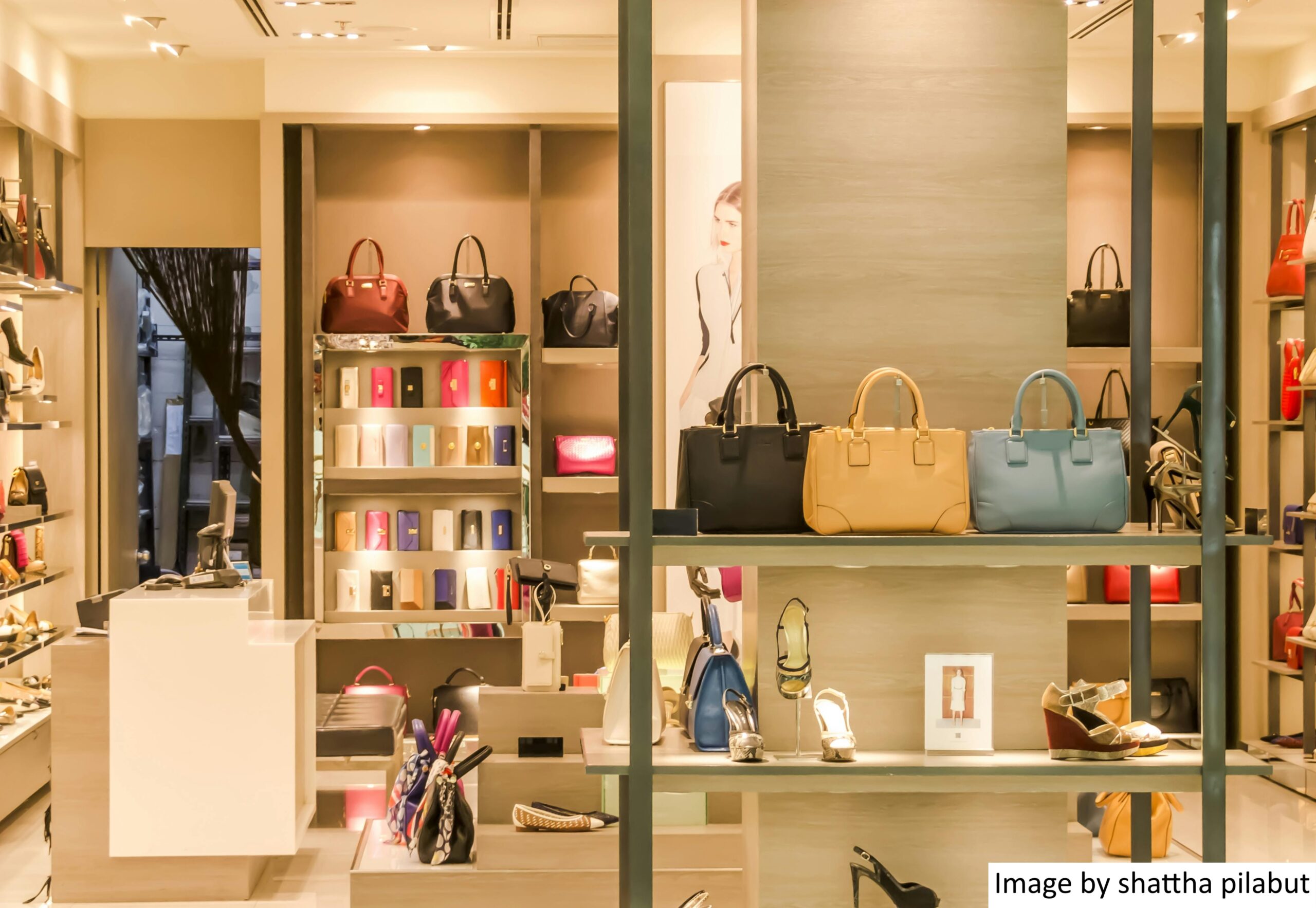
Five Ways Smarter Store Experiences Increase Basket Size
Retailers that invest in smarter store infrastructure can increase basket size through several proven strategies.
1. Assisted Selling Powered by Customer Insights
Store associates remain one of the most powerful drivers of in-store sales.
When equipped with mobile POS systems or clienteling tools, associates can:
- Access purchase history
- Check product availability
- Recommend complementary products
For example, a customer buying footwear may also be guided toward accessories or care products.
Technology transforms store staff from transactional operators into revenue-generating advisors.
2. Smart Product Recommendations at the POS
Modern retail POS systems can analyse transaction data in real time and recommend complementary items.
For example:
- Clothing retailers suggesting accessories
- Electronics stores recommending add-ons
- Beauty retailers promoting complementary products
These recommendations increase cross-selling opportunities while maintaining a seamless checkout experience.
3. Real-Time Inventory Visibility Across Stores
One of the most common reasons for lost sales is simple: the product is not available on the shelf.
Smart retailers solve this with real-time inventory visibility.
Store associates can instantly check:
- Stock in nearby stores
- Warehouse availability
- Online fulfilment options
This prevents lost sales and often encourages customers to add additional items to their purchase.
4. Integrated Promotions and Cross-Selling
Promotions are far more effective when integrated across store systems.
Instead of generic discounts, retailers can use data-driven promotions such as:
- Bundle offers
- Complementary product discounts
- Category-based incentives
When promotions are integrated with POS and inventory systems, they can be triggered dynamically during the transaction.
5. Faster Checkout That Encourages Add-Ons
Long queues reduce the likelihood of additional purchases.
Modern store infrastructure solves this with:
- Mobile POS
- Self-checkout
- Queue-busting solutions
Faster transactions allow associates to focus on customer engagement and upselling rather than administrative tasks.
The Technology Foundation Behind Smarter Stores
Smarter store experiences are enabled by a connected retail technology ecosystem.
Key components include:
Modern POS Systems
Modern POS platforms act as the central transaction hub while connecting store operations, payments, and customer data.
Retail Analytics Platforms
Analytics tools provide insights into purchasing behaviour, product affinity, and store performance.
AI-Driven Recommendation Engines
Artificial intelligence can identify cross-selling opportunities in real time.
Inventory Management Systems
Advanced inventory platforms ensure accurate stock visibility across stores, warehouses, and e-commerce channels.
Omnichannel Retail Platforms
These platforms connect physical and digital channels, allowing retailers to provide consistent customer experiences.
However, the true value emerges when these systems operate as an integrated ecosystem rather than disconnected tools.
Retailers that rely on siloed systems often struggle to unlock the full revenue potential of their stores.
The Role of Data in Driving Store Revenue
Data is the engine behind smarter store decision-making.
Retailers today generate vast amounts of transactional and operational data, but the competitive advantage comes from how that data is used.
Key analytics capabilities include:
Basket Analysis
Understanding which products are frequently purchased together.
→ Learn more about basket analysis using machine learning algorithms here.
Product Affinity Insights
Identifying cross-selling opportunities between categories.
Store Performance Analytics
Comparing transaction patterns across locations.
Customer Purchase Behaviour
Understanding buying patterns and preferences.
When retailers combine these insights with operational systems like POS and inventory platforms, they can continuously optimise store performance.
This enables retailers to identify opportunities such as:
- Improving merchandising layouts
- Creating targeted promotions
- Enhancing associate recommendations
- Adjusting product placement
Over time, these data-driven improvements can significantly increase average basket size across store networks.
Conclusion: Turning Stores Into Revenue Engines
Retail stores remain one of the most powerful channels for customer engagement and revenue generation.
However, in an increasingly competitive market, retailers can no longer rely solely on store traffic to drive growth.
Instead, the next phase of retail performance will come from making each store visit more valuable.
Retailers that transform stores into intelligent, connected environments — powered by technology and data — can unlock significant improvements in:
- Average basket size
- Store productivity
- Customer lifetime value
- Revenue growth
Smarter stores do not simply improve the customer experience; they directly impact business performance.
Building these capabilities requires more than individual technology solutions. It requires the right retail technology architecture and integration expertise.
Integrated systems that connect POS, inventory, analytics, and customer data enable retailers to create smarter store experiences that drive measurable results.
Across Southeast Asia, retailers are increasingly modernising their store infrastructure to support these capabilities. Companies like Integrated Retail work with retail organisations to implement modern retail systems that connect store operations, data, and customer experiences.
For retailers looking to increase basket size and improve store productivity, investing in smarter store environments can unlock significant revenue opportunities.
FAQ Section
What is average basket size in retail?
Average basket size refers to the average value or number of items purchased per transaction in a retail store. It is a key metric used to measure store performance and customer purchasing behaviour.
How can retailers increase average transaction value?
Retailers can increase transaction value through:
- Cross-selling complementary products
- Data-driven promotions
- Assisted selling by store associates
- Personalised product recommendations
- Improved merchandising and store layouts
How does store technology impact basket size?
Store technology enables real-time product recommendations, inventory visibility, and faster checkout processes. These capabilities encourage customers to purchase additional items during each visit.
What role does POS play in upselling?
Modern POS systems can analyse purchasing behaviour and suggest complementary products during checkout. This enables retailers to increase cross-selling opportunities without slowing down the transaction process.
Why is data important for improving in-store sales?
Data allows retailers to identify purchasing patterns, product affinities, and store performance trends. These insights enable smarter merchandising, targeted promotions, and more effective selling strategies.