

The Growing Conversation Around Cryptocurrency Payments
Digital payments are evolving rapidly, and cryptocurrency is increasingly part of that conversation. Global cryptocurrency adoption has accelerated significantly over the past decade, with hundreds of millions of individuals now owning digital assets. According to Fintech News, global cryptocurrency ownership surpassed 560 million users in 2024, representing nearly 7% of the world’s population.
At the same time, retailers are navigating a broader transformation in digital payments in retail. Customers increasingly expect seamless checkout experiences, flexible payment options, and frictionless international transactions. As cross-border e-commerce continues to grow, payment infrastructure is becoming a strategic differentiator for retailers operating in global markets.
For retail executives, the question is no longer whether cryptocurrency exists in the market—it clearly does. The real question is whether cryptocurrency payments in retail can deliver meaningful strategic value for businesses.
While widespread adoption is still evolving, many retailers are evaluating cryptocurrency acceptance as part of a broader digital transformation strategy and a way to prepare for the next generation of payment ecosystems.
What Are Cryptocurrency Payments in Retail?
Cryptocurrency payments allow customers to pay for goods or services using digital currencies stored in a digital wallet. These transactions typically operate on blockchain-based networks that verify and record transactions.
In a retail environment, the payment process generally follows a simple structure:
- A customer selects cryptocurrency as the payment method at checkout.
- The retail system generates a payment request or QR code.
- The customer confirms the transaction using their digital wallet.
- The payment is verified through the blockchain network.
- The retailer receives the payment either in cryptocurrency or converted to local currency through a payment processor.
From a business perspective, retail cryptocurrency payments function similarly to other digital payment methods, such as mobile wallets or online transfers. The primary difference lies in the underlying technology used to validate transactions.
For retailers, the key consideration is not the blockchain mechanics but how accepting crypto payments fits into the broader retail technology ecosystem.
Why Some Retailers Are Considering Crypto Payments
Although cryptocurrency remains a relatively small portion of global retail payments, there are several strategic reasons why some retailers are evaluating its potential.
Cross-Border Customer Growth
One of the most discussed advantages of cryptocurrency payments in retail is the potential to simplify international transactions.
Traditional cross-border payments often involve multiple financial intermediaries, currency conversion costs, and settlement delays. Cryptocurrency can reduce some of these frictions by enabling direct peer-to-peer payments across borders.
For retailers expanding internationally or operating in global e-commerce markets, cross border payments retail strategies may increasingly include alternative payment methods.
Younger Digital-Native Consumers
Consumer demographics are also influencing the discussion. Younger, digitally native shoppers are more comfortable with emerging technologies, including digital wallets and cryptocurrency.
While not yet mainstream for everyday purchases, crypto payments can signal innovation and technological openness—particularly among early adopters.
Faster Settlement Potential
In some cases, blockchain payments retail infrastructure can provide faster settlement times compared with traditional banking systems. This may reduce delays associated with international payments or weekend processing limitations.
However, settlement speed often depends on the payment infrastructure used by the retailer and their financial partners.
Brand Innovation
Some retailers view crypto acceptance as part of broader experimentation with emerging technologies.
Offering cryptocurrency payments can position a retailer as forward-thinking, particularly in sectors where innovation and digital engagement are key components of brand identity.
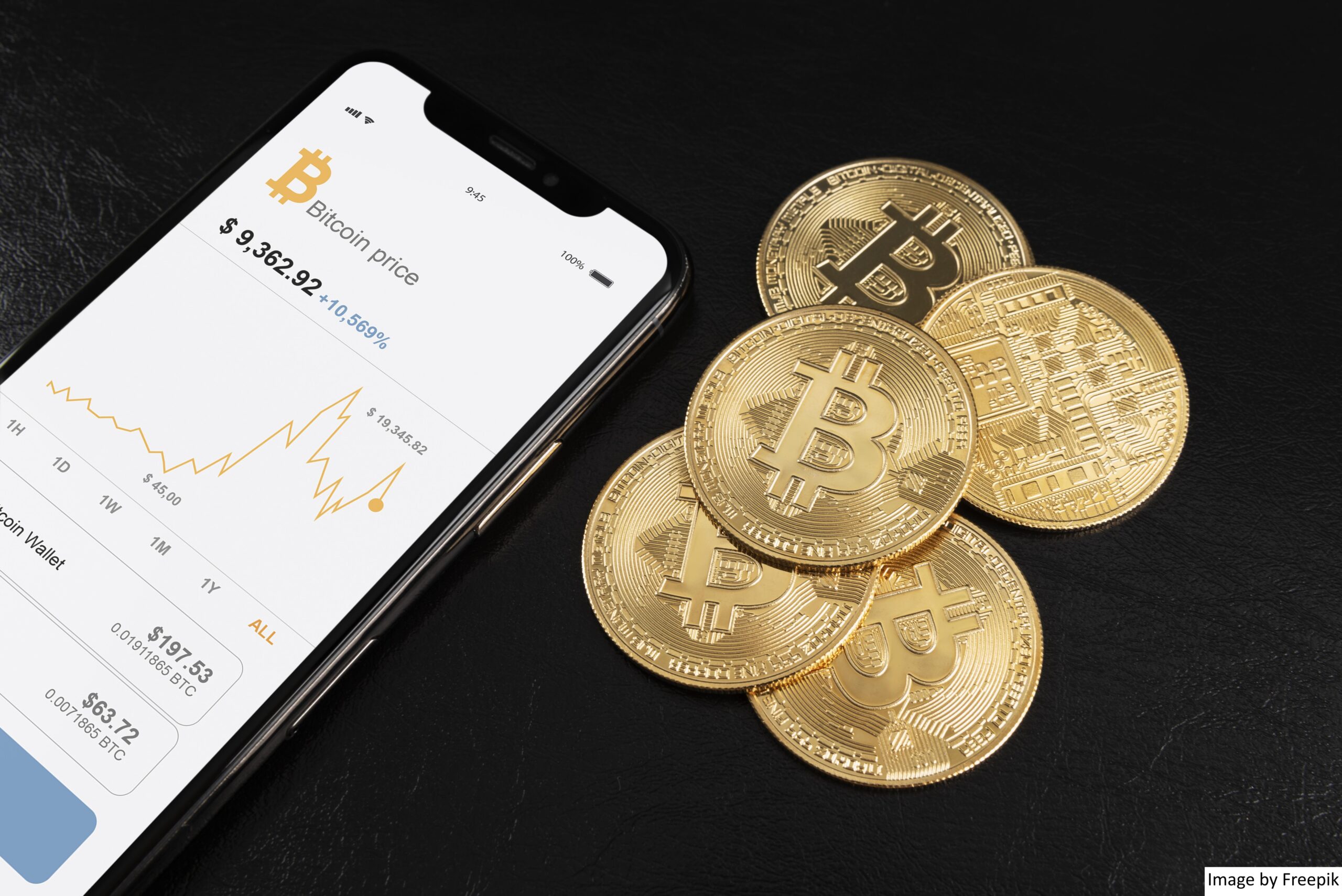
Key Strategic Considerations Before Accepting Crypto
Despite its potential advantages, crypto payment adoption in retail requires careful evaluation. Senior retail leaders should assess several strategic factors before introducing cryptocurrency payments.
Regulatory Environment
Cryptocurrency regulation varies significantly across markets.
Some countries have clear frameworks governing digital assets, while others are still developing regulatory guidance. Retailers operating across Southeast Asia or other regions must consider compliance requirements related to taxation, financial reporting, and consumer protection.
Understanding the regulatory landscape is essential before launching retail cryptocurrency payments.
Price Volatility
One of the most frequently cited risks of accepting crypto payments is price volatility.
Cryptocurrency values can fluctuate significantly within short periods of time. Retailers that hold cryptocurrency directly may face financial exposure unless payments are converted into fiat currency immediately through payment processors.
Many retailers exploring crypto payments mitigate volatility risk through instant conversion services.
Payment Infrastructure Integration
Adopting cryptocurrency payments requires integration with existing retail systems, including checkout platforms, payment gateways, and financial reporting tools.
For many retailers, the complexity lies not in enabling crypto transactions but in ensuring they integrate seamlessly with existing infrastructure such as modern retail POS systems and enterprise payment platforms.
Customer Demand
Retailers should evaluate whether there is meaningful demand among their customers.
In many markets, consumer use of cryptocurrency for everyday purchases remains limited. Understanding customer behavior and transaction trends is essential before investing in new payment capabilities.
Accounting and Treasury Implications
Handling digital assets introduces new financial processes.
Finance teams must determine how cryptocurrency payments are recorded, valued, and reported. Treasury management policies may also need to address digital asset custody, conversion processes, and compliance considerations.
Operational Implications for Retail Businesses
Beyond strategy, implementing cryptocurrency payments in retail also affects day-to-day operations.
Retailers must consider several operational areas.
POS System Compatibility
Retailers need payment infrastructure that supports multiple payment types. This often requires updating or integrating POS systems capable of processing crypto transactions alongside traditional payments.
Payment Gateway Integration
Crypto payment providers typically connect to existing checkout environments through payment gateways or APIs.
These integrations must align with the retailer’s broader payment architecture.
Fraud and Compliance Monitoring
Although blockchain transactions are transparent, retailers must still implement fraud prevention and compliance monitoring procedures.
Transaction monitoring tools may be required to meet regulatory obligations.
→ Learn more about Fraud Detection Systems Using AI and Machine Learning here.
Reconciliation and Reporting
Finance teams must reconcile cryptocurrency payments alongside traditional payment streams. This can require new reporting tools and financial processes.
Employee Training
Store staff and customer service teams need to understand how crypto payments work and how to assist customers who choose this payment method.
Operational readiness is critical to ensure smooth implementation.
Cryptocurrency vs Traditional Digital Payments
Retailers evaluating cryptocurrency payments in retail often compare them with existing digital payment methods.
Transaction Speed
Some blockchain networks enable rapid transaction verification, particularly for cross-border payments. However, speed can vary depending on network congestion and transaction fees.
Fees
Cryptocurrency transaction fees can be lower in certain cases, particularly for international payments. However, payment processors and conversion services may introduce additional costs.
Regulatory Oversight
Traditional digital payments typically operate within well-established regulatory frameworks. Cryptocurrency regulations continue to evolve across jurisdictions.
Consumer Trust
Consumer trust remains a key factor in payment adoption. Credit cards, mobile wallets, and bank transfers remain the dominant payment methods in retail markets.
Scalability
While blockchain technology is advancing, traditional payment networks currently handle far greater transaction volumes at global scale.
For these reasons, many retailers approach crypto payment adoption in retail cautiously, experimenting with pilot programs rather than full-scale deployment.
The Role of Technology Infrastructure
Adopting emerging payment technologies requires robust retail technology infrastructure.
Retailers need platforms capable of integrating new payment methods without disrupting core operations. This includes scalable payment gateways, flexible system architecture, and integrated transaction reporting.
Modern retail environments rely on tightly connected systems across sales channels, financial systems, and customer platforms.
This is where retail system integration becomes critical. Retailers must ensure that new payment capabilities connect seamlessly with inventory systems, reporting tools, and retail technology solutions that support operational efficiency.
Technology integration partners can help retailers evaluate emerging technologies, design scalable infrastructure, and implement payment innovations in a controlled and secure manner.
Future Outlook: Will Crypto Payments Become Mainstream?
The long-term role of cryptocurrency payments in retail remains uncertain, but several trends suggest gradual evolution rather than rapid disruption.
Cross-border e-commerce may continue to drive experimentation with alternative payment methods. Digital wallets are also becoming increasingly integrated with broader financial ecosystems.
Stablecoins—cryptocurrencies designed to maintain stable values—could address volatility concerns and make blockchain-based payments more practical for everyday retail transactions.
At the same time, regulatory clarity will play a major role in shaping adoption.
For most retailers, cryptocurrency payments are likely to remain an emerging capability rather than a core payment method in the near term.
However, retail leaders should continue monitoring developments as payment technologies evolve.
Conclusion: A Strategic Capability Worth Monitoring
Cryptocurrency is reshaping discussions about the future of payments, but its role in retail is still developing.
For senior retail leaders, the key question is not whether cryptocurrency will replace traditional payment systems. Instead, the focus should be on whether cryptocurrency payments in retail offer strategic advantages for specific business models, markets, or customer segments.
Retailers evaluating accepting crypto payments should consider regulatory environments, operational implications, customer demand, and infrastructure requirements.
While widespread adoption may take time, cryptocurrency represents another step in the evolution of digital payments in retail.
Retail organizations that maintain flexible technology infrastructure and modern payment platforms will be best positioned to evaluate and adopt new payment innovations as they mature.
FAQ Section
What are cryptocurrency payments in retail?
Cryptocurrency payments allow customers to purchase goods using digital currencies stored in blockchain-based wallets. Transactions are verified through decentralized networks rather than traditional banking systems.
Why are some retailers accepting cryptocurrency?
Some retailers view crypto payments as a way to support cross-border transactions, appeal to digitally native consumers, and experiment with emerging payment technologies.
What are the risks of accepting crypto payments?
Key risks include price volatility, evolving regulatory requirements, and the need to integrate crypto payments with existing retail systems and financial processes.
Do customers actually want to pay with cryptocurrency?
Customer demand varies by market and demographic group. While crypto payments are still a niche option, interest is growing among digitally engaged consumers.
How can retailers integrate crypto payments with existing systems?
Retailers typically integrate crypto payments through payment gateways that connect with existing checkout systems and retail POS platforms.